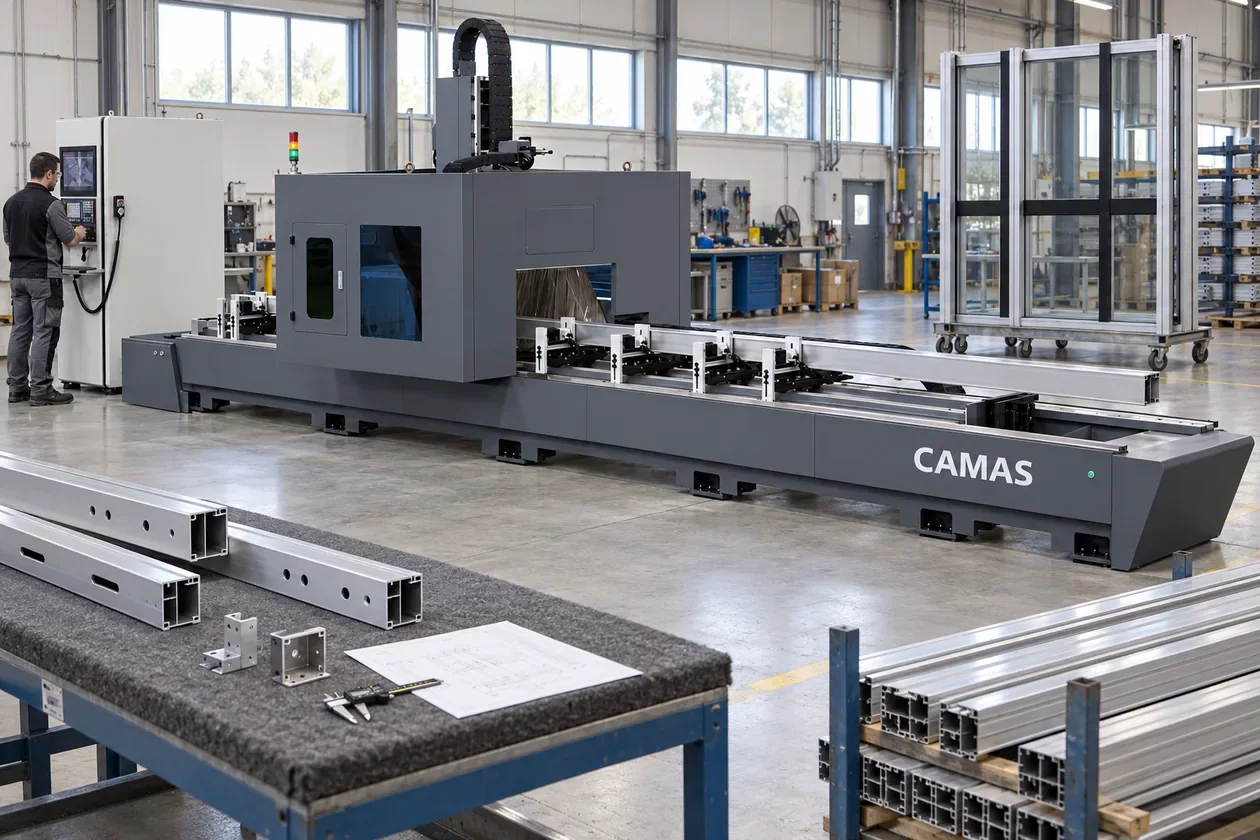
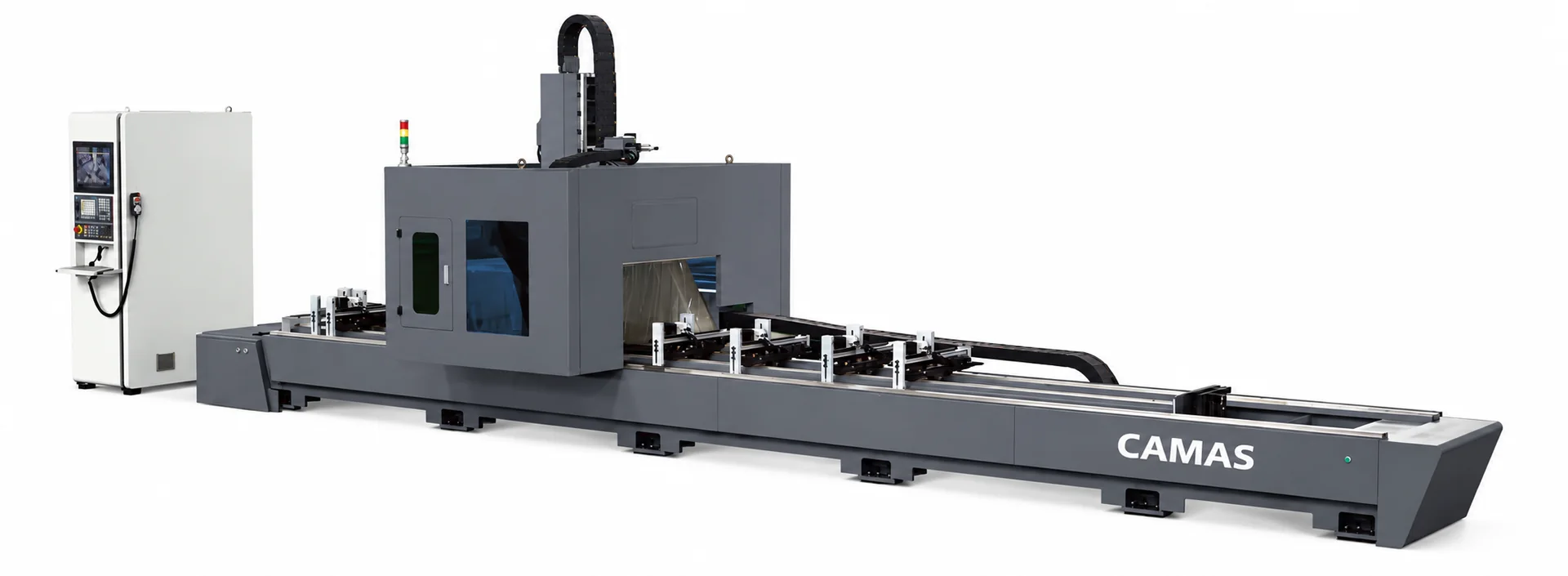
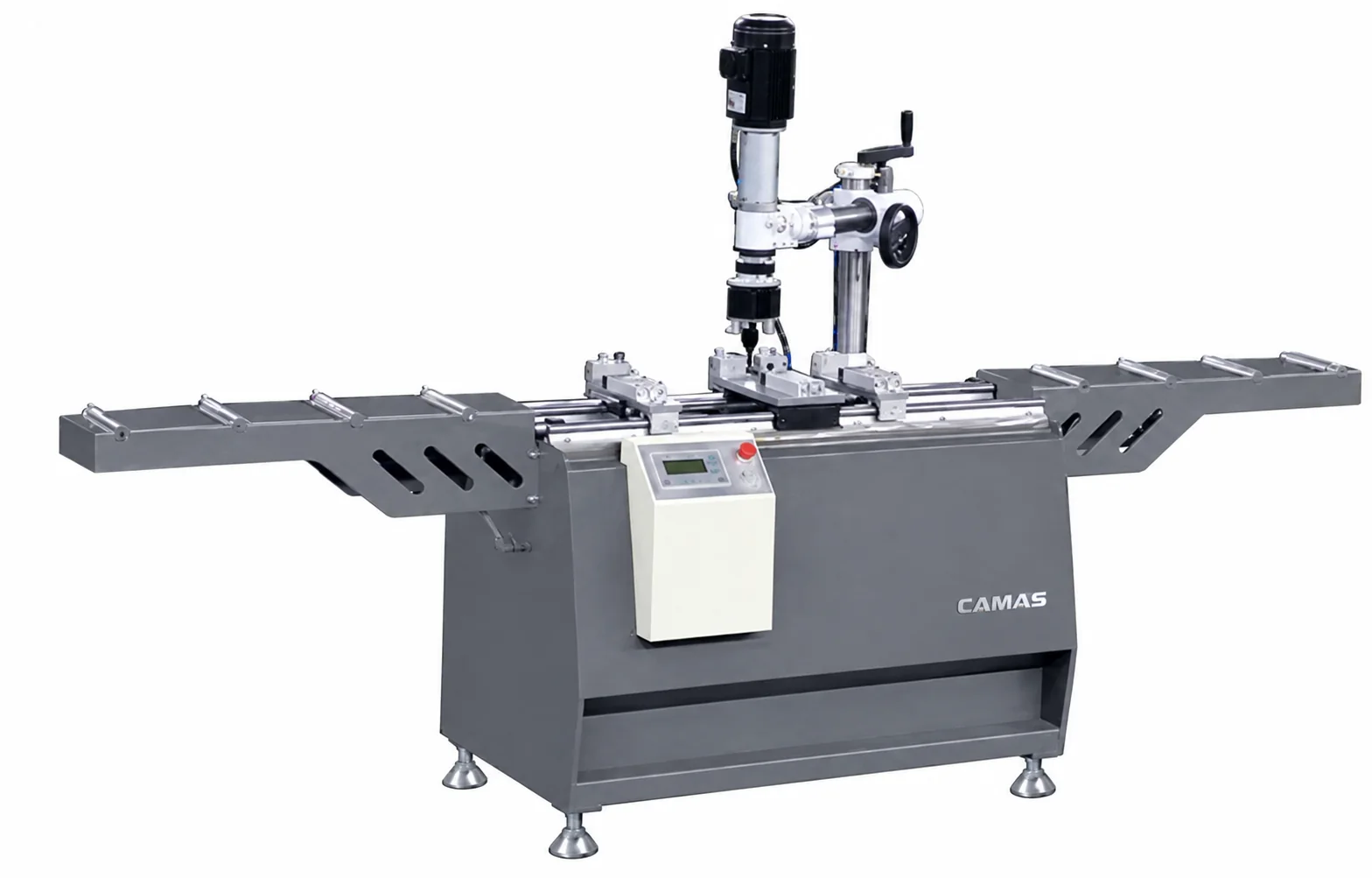
Long-profile machining: support and clamping keep the mullion positioned while fixing features are prepared.AI-generated application scene.
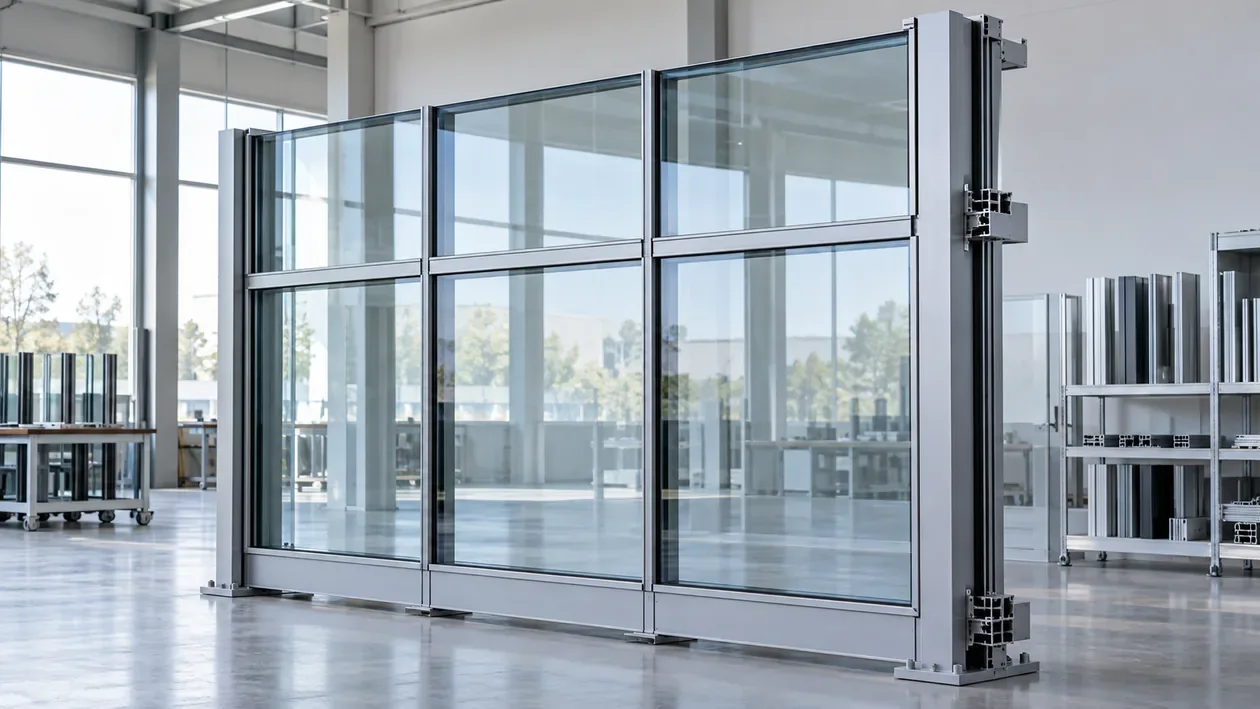
Typical end-use illustration.
WHAT YOUR CUSTOMERS MAKE
The connection details behind the facade.
Mullions and transoms
Prepare lengths, end interfaces and fixing patterns around the system datums. Long components need handling space as well as a suitable machining area.
Unitized frame members
Repeated frame members still need access to their specified machining faces. Check how the clamps and tools work around the section shape.
Facade support and connection profiles
Angular cuts, notches and slots connect the profile to brackets or adjoining members. Match the tools to the actual interface drawing.
FROM STOCK TO FINISHED PART
How the production stages connect.
01
Define the section and datum
Start with the longest part, the largest section and the faces that carry fixing features. Identify how each part is located during machining.
Review
Section, part length and drawing datums.
02
Cut lengths and interfaces
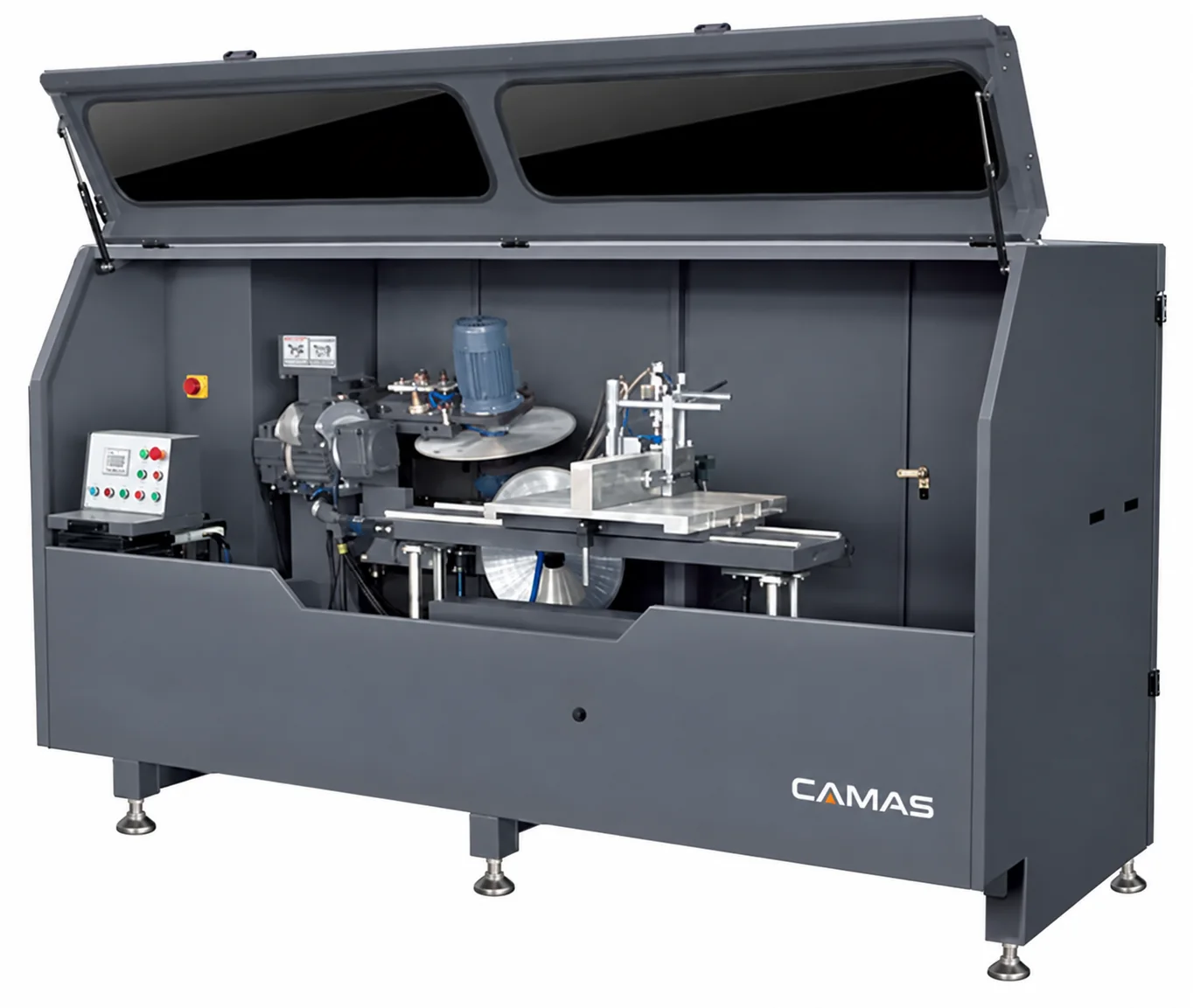
Use the saw for the required cut angle and add notching where the connection calls for it. Check the section envelope at that angle.
Review
Cut length, angle and notch clearance.
03
Machine fixing features
Drill or mill the holes and slots on the required faces. Review clamp positions and tool access along the full component.
Review
Hole pitch, slot direction and tool access.
04
Check connection fit
Inspect the machined interfaces against the drawing and trial-fit the representative connection where required.
Review
Critical datums, interface dimensions and fit.
BEFORE CHOOSING EQUIPMENT
Check the details that change the setup.
Travel is one part of the review
Axis travel and usable machining space describe different things. Review the published working area, clamps, tools and loading method for your full profile.
Face access matters
A hole on the upper face and a feature on the side face may need different tool access or a revised setup. Send all required views rather than a single overall dimension.
Plan long-part handling
Allow for incoming stock, loading, support and finished-part movement. Machine dimensions alone do not define a complete workstation layout.
ILLUSTRATIVE SELECTION EXAMPLE
Separate cutting limits from machining space
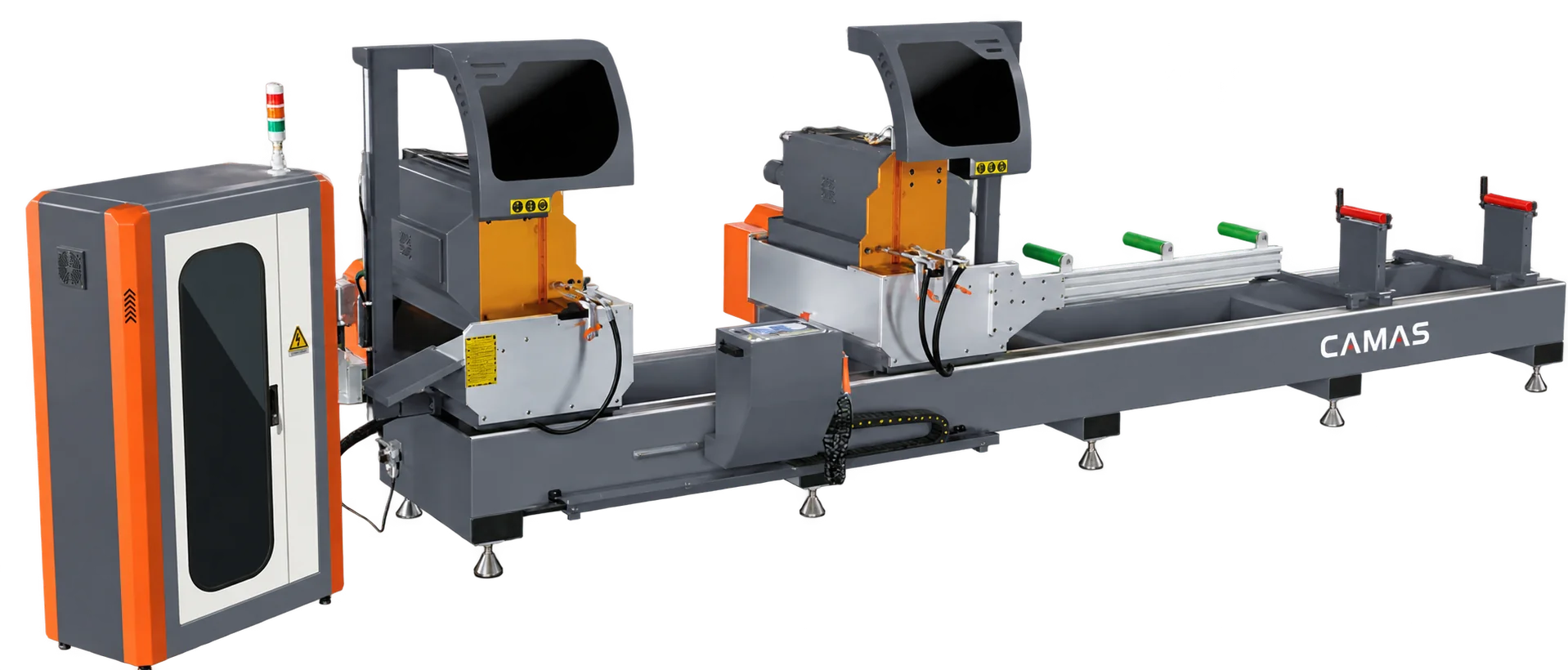
The LJZ2R-CNC-600×4500 publishes 45°–157.5° cutting angles. The LGS4Z-CNC-7000 publishes 7,000 mm X-axis travel; that travel alone does not establish usable space for every facade profile.
Map the job: cut the profile → notch the connection end where needed → machine fixing holes and slots → check the completed connection.
Review upper-face and side-face working areas separately, including clamps and tool access.
Include the longest profile, largest section, connection angles and critical hole datums in the drawing review.
Use this example to frame your inquiry. Confirm the finished drawing, machine configuration and tools before selecting equipment.
Send the longest finished profile, cross-section and machining drawing. Compare face access and the usable working area as well as the number of axes.
When is notching equipment needed?
When the profile connection requires an end shape that a straight or angled cut does not produce. Review the joint and section before selecting the notching method.
Does machinery qualify the finished facade system?
Machine selection addresses fabrication tasks. The finished facade still needs its own system design, material specifications and project acceptance requirements.
START WITH YOUR PART
Let’s review your production task.
Send a representative drawing and the most demanding part in your range.