ABOUT CAMAS / 凯迈斯

Camas Machinery.
Two lines. One partner.

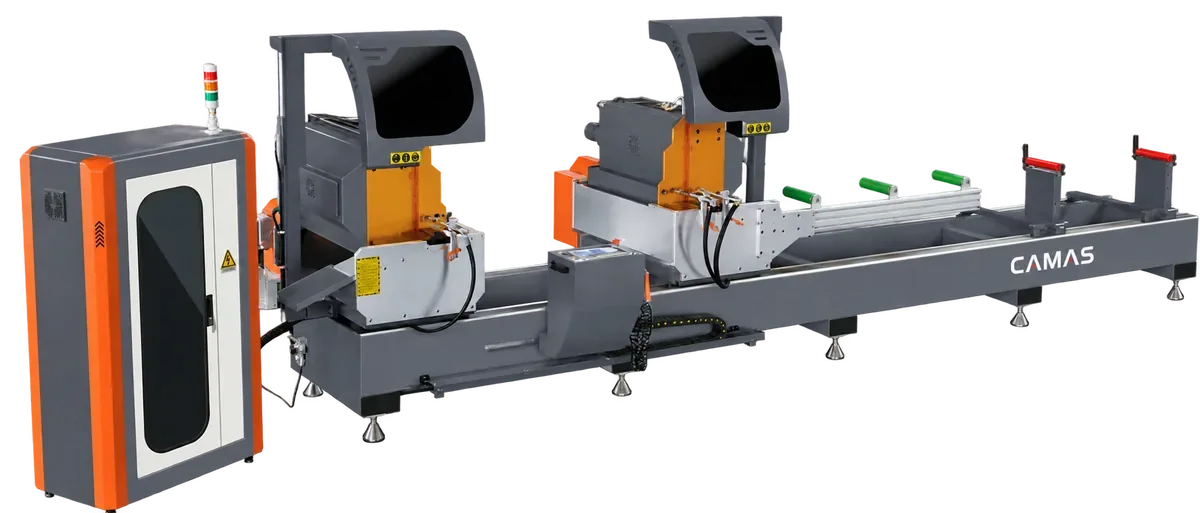
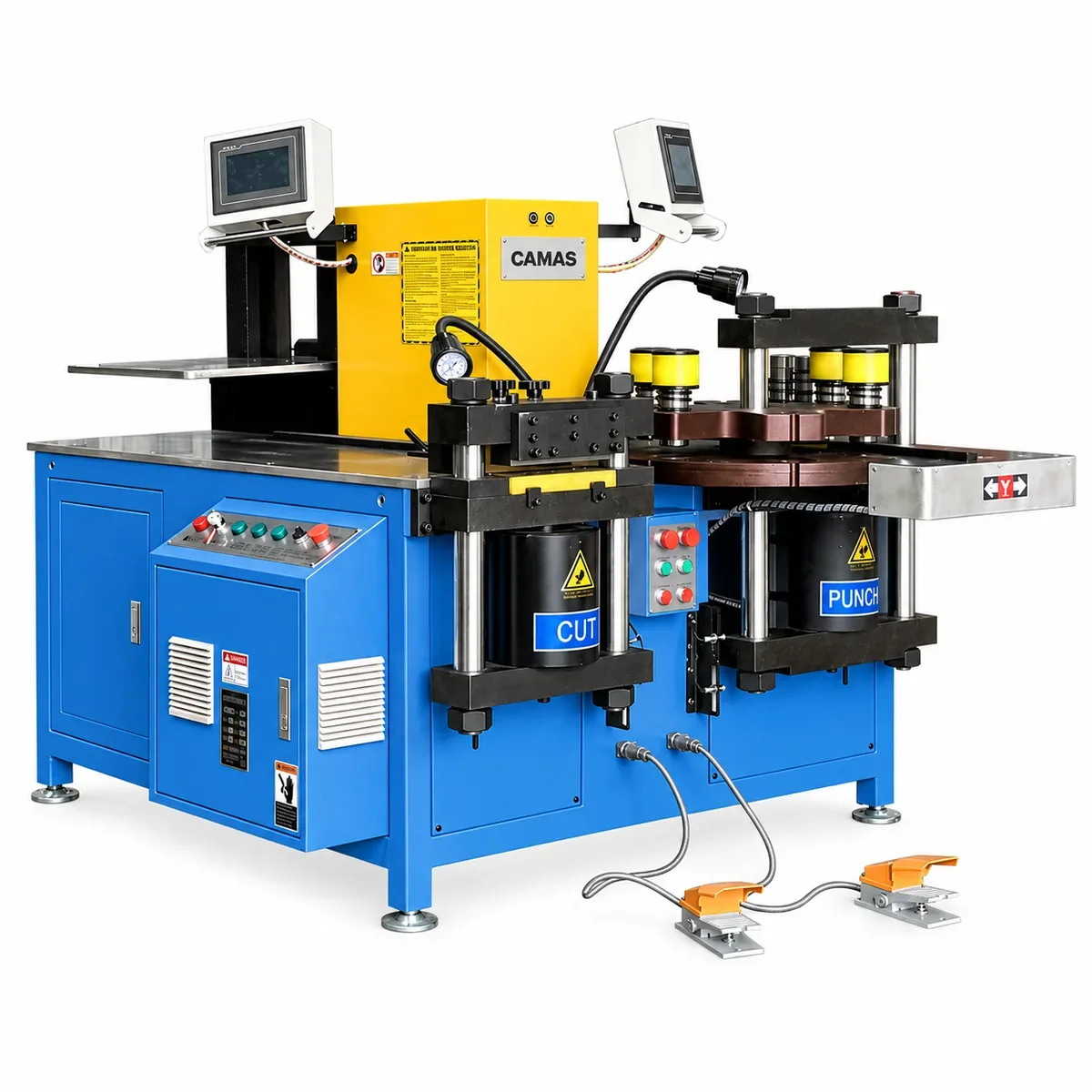
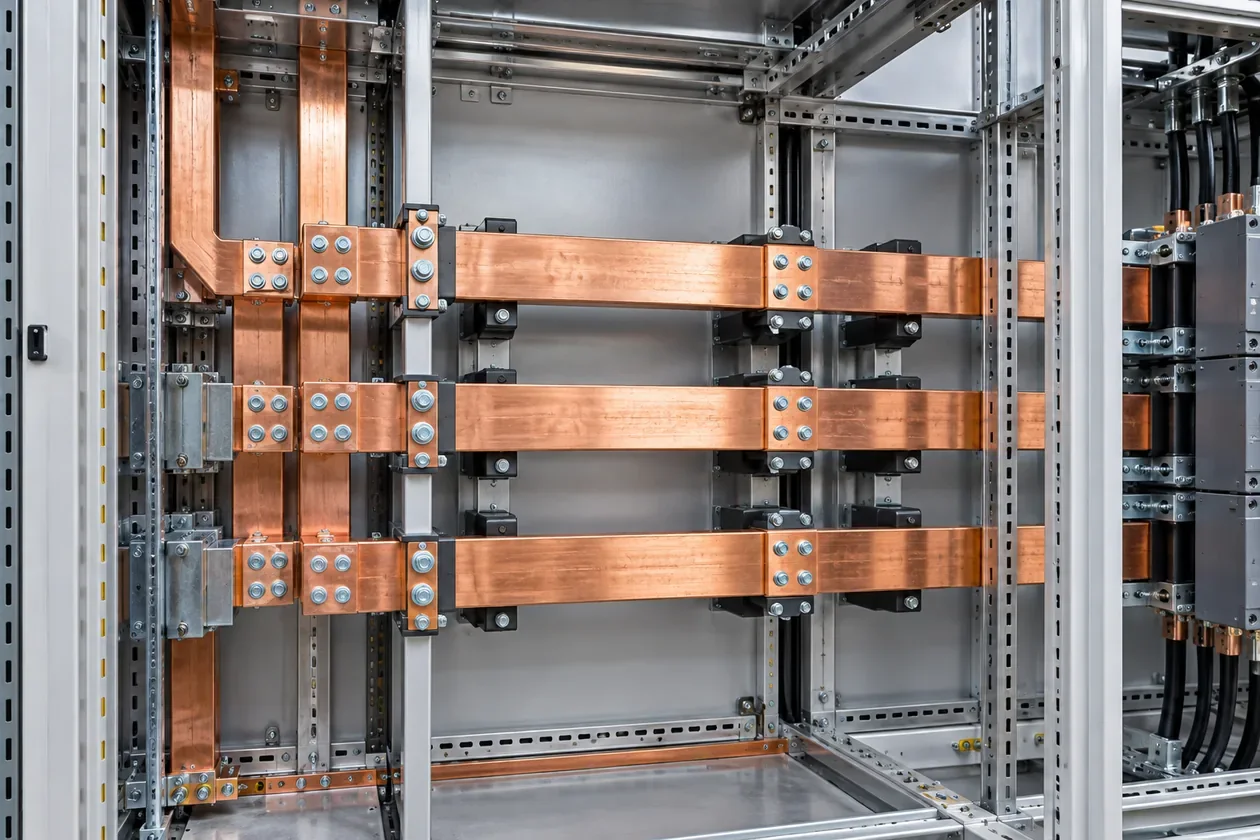
The CAMAS machinery company supplies equipment for aluminum profiles and electrical busbars. Explore the product range and define a configuration around the parts you need to produce.

One project brief brings the machine, tooling and quotation requirements into the same conversation.

ALUMINUM PROFILES
COPPER AND ALUMINUM BUSBARS
OUR ROLE IN YOUR PROJECT

Connect your part
to a defined equipment scope.

A model name is only the start of an equipment purchase. Your part geometry, required operations and workshop conditions determine what needs to be checked.

CAMAS helps organize that review across the machine range and the quotation: which configuration to compare, which tools your drawing calls for, and which delivery and support items need agreement. Published specifications support the shortlist; the agreed quotation defines the supplied equipment.

WHAT WE HELP YOU REVIEW

Make the comparison useful.
Make the scope clear.

01 / SELECTION AND CONFIGURATION

Compare the complete setup

Match the required cut, hole, joint or bend to the machine’s published range. Keep clamping access, workpiece handling and tools visible alongside the headline capacity.

For example, a profile saw’s capacity at 90° can differ from its capacity at 45°; a busbar’s flat-bending range can differ from its edge-bending range. The drawing connects those limits to your job.
02 / QUOTATION COORDINATION

Review what will be supplied

Bring the model and configuration, included and optional tools, electrical supply and destination into one written scope. Identify the items still awaiting confirmation before comparing quotations.

Packing, delivery terms, installation, training, warranty and spare-parts responsibilities should be stated separately. That makes the commercial comparison as clear as the technical one.

TWO DIFFERENT PRODUCTION FLOWS

Keep each operation
connected to the finished part.

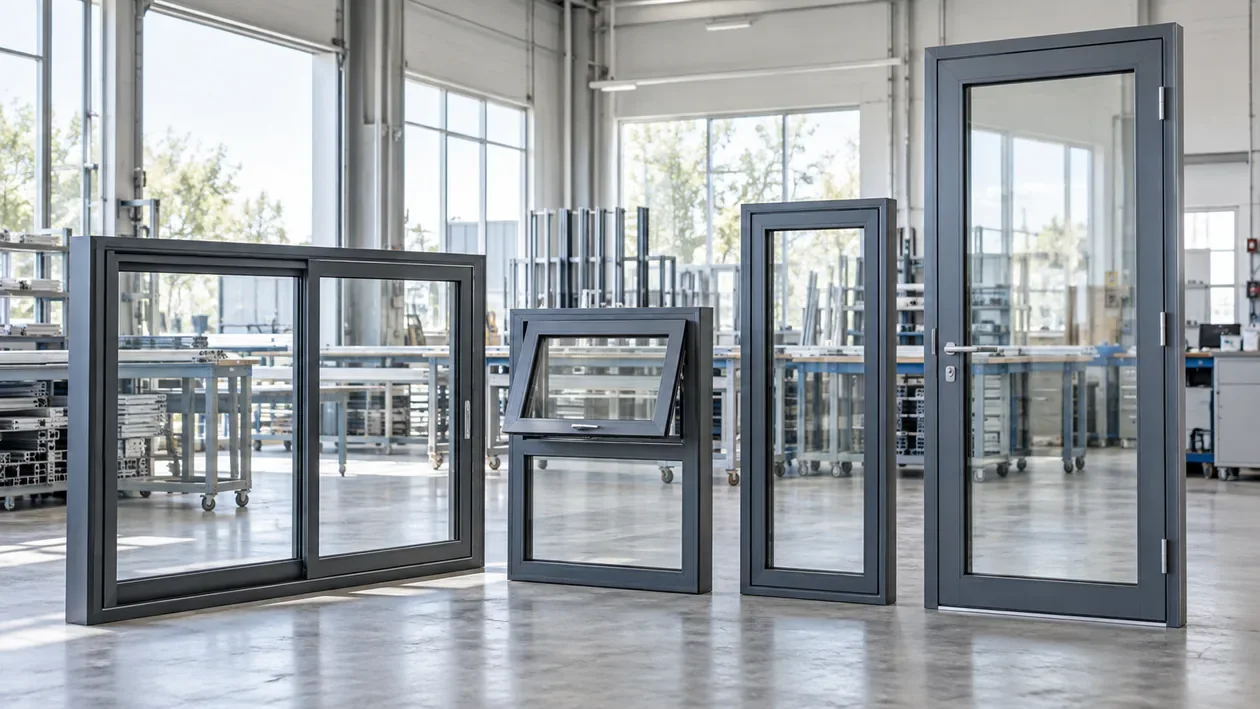
Application illustrations show typical end uses.

WORKING WITH CAMAS

A practical route
to a comparable quote.

Start with a representative part and the most demanding part in your range. Keep unresolved requirements visible as the shortlist develops.

  1. 01

    Define the job

    Share the drawing revision, material, largest dimensions, operations and production target.

  2. 02

    Review the proposed configuration

    Compare usable range, tools and handling. Identify any model data or part features that need confirmation.

  3. 03

    Agree the written scope

    Record equipment and tool inclusions, utilities, delivery requirements and the agreed service responsibilities.

CAMAS / EQUIPMENT INQUIRY

Tell us what you need to make.

Share your material, part dimensions and target output. We can help you shortlist the right machine and tooling for your process.