Machinery distribution needs a clear product range and useful technical answers. Build your offer around the parts, operations and support requirements of your customers.
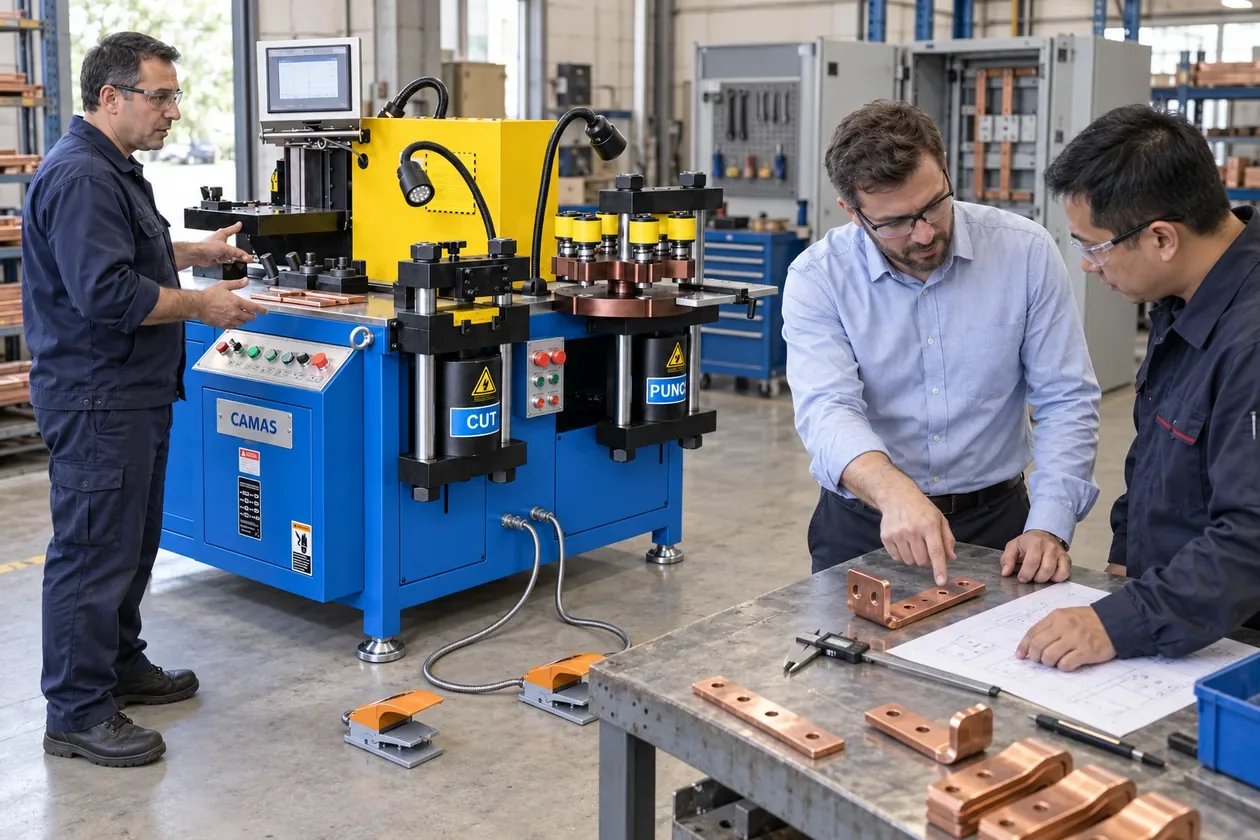
Technical demonstration: a local equipment partner reviews a representative connection and drawing with a workshop buyer.AI-generated application scene.
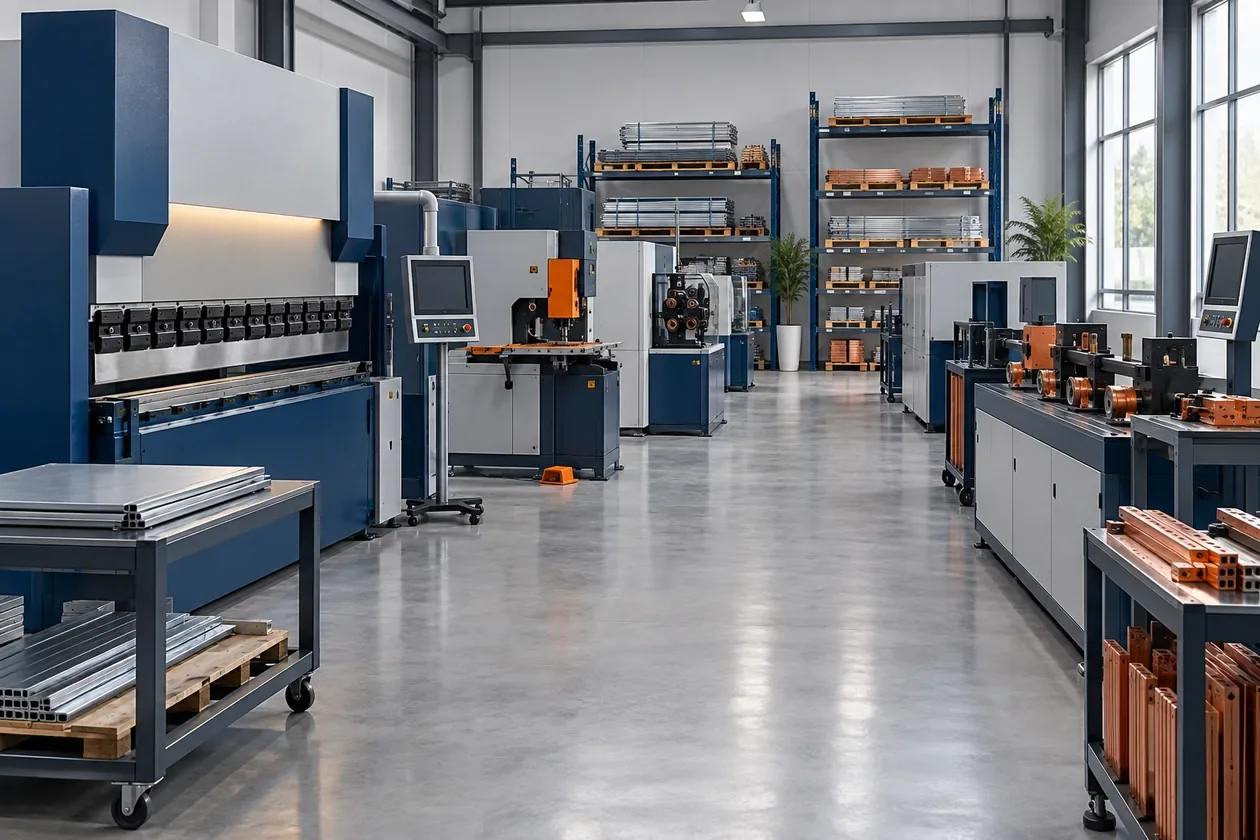
Typical end-use illustration.
WHAT YOUR CUSTOMERS MAKE
Start with the customer’s production task.
Window and door workshops
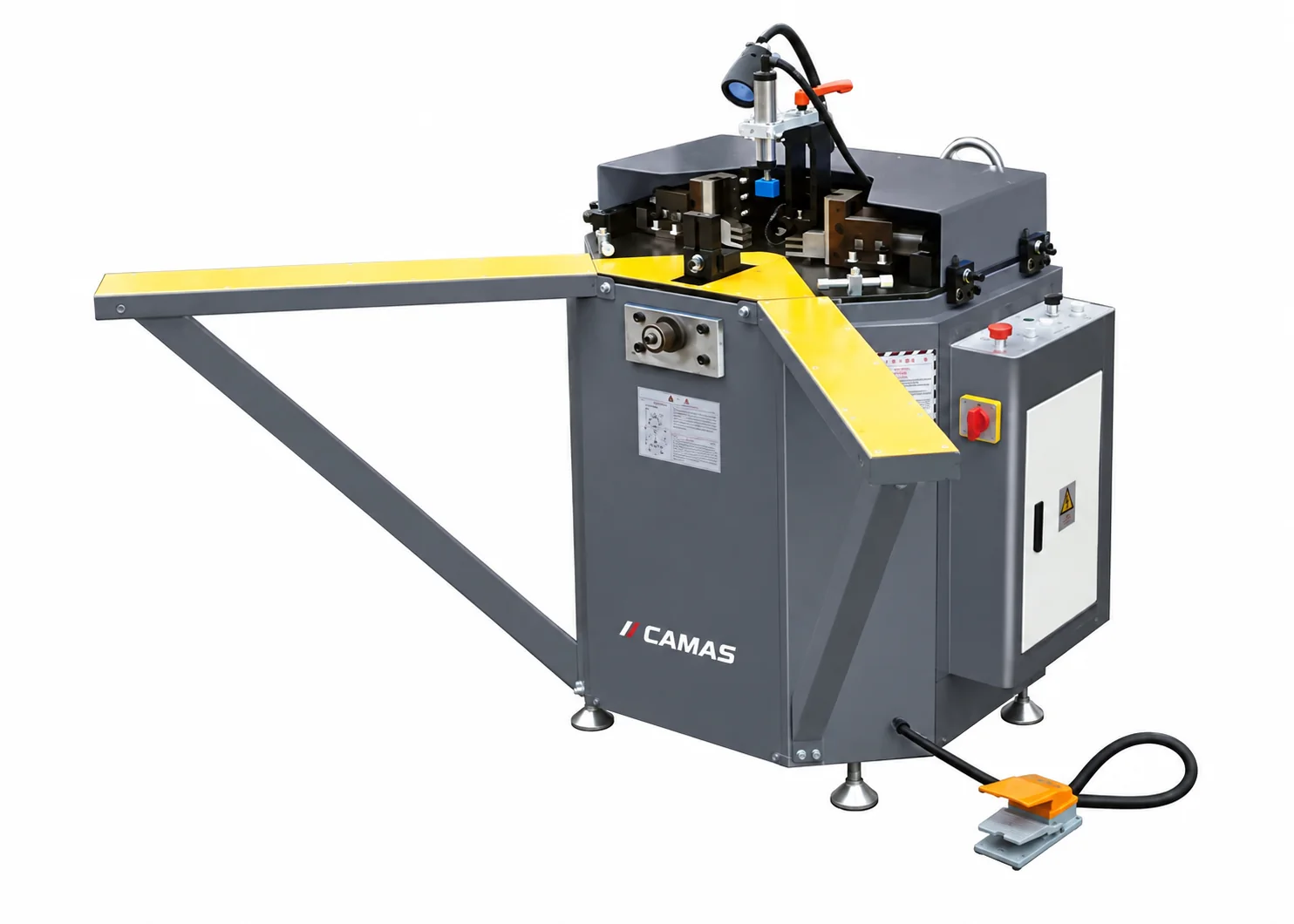
A saw, suitable machining setup and corner crimper can form a starting portfolio. The profile system determines which tools and optional stages to include.
Panel-building customers
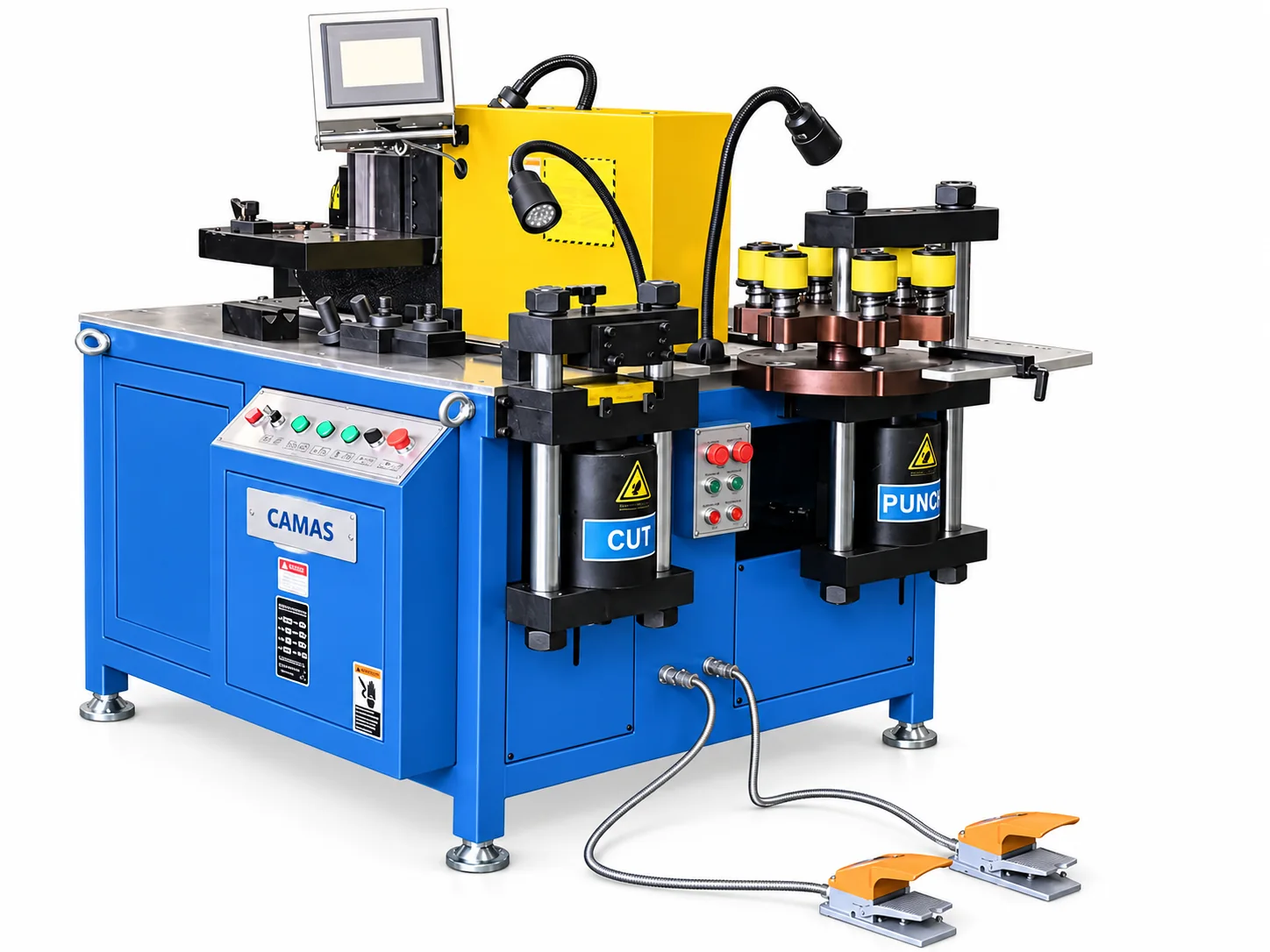
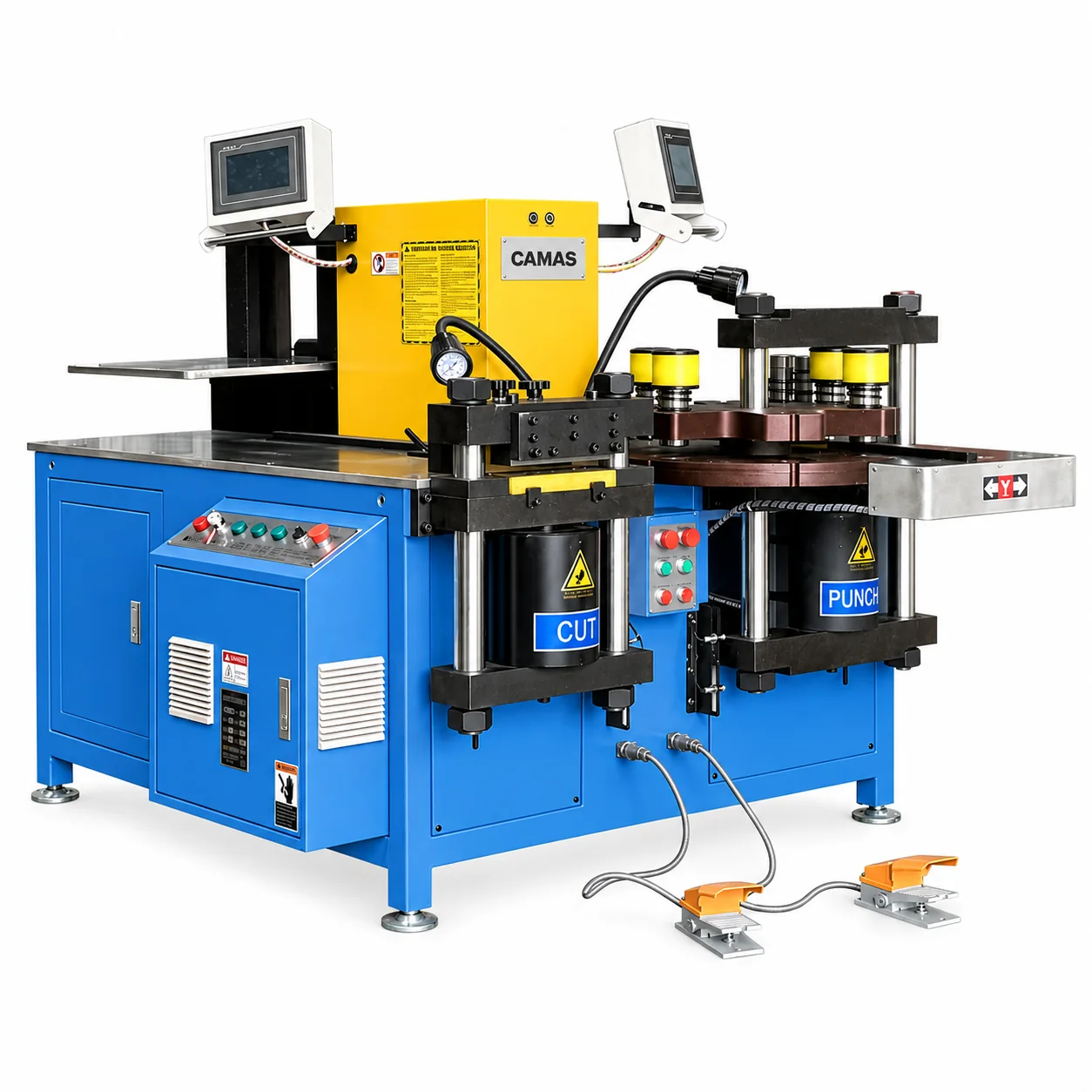
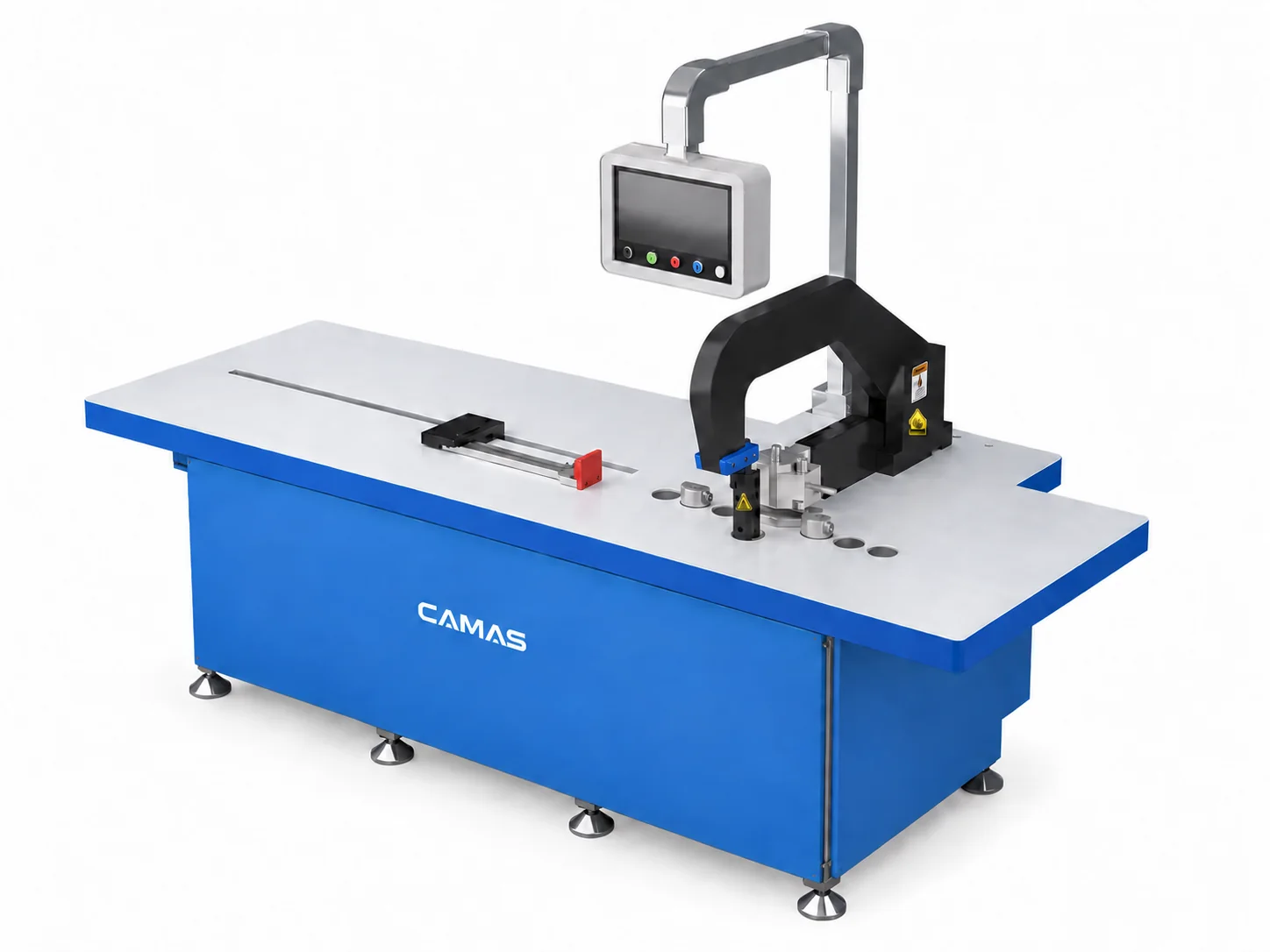
Compare a 3-in-1 busbar workstation, its positioning options and dedicated bending equipment around the connections local buyers actually make.
Industrial and project customers
More complex profiles or connectors need a drawing review before demonstration or quotation. Select a range that matches your team’s local application and service knowledge.
FROM MARKET TO PORTFOLIO
A practical partnership workflow.
01
Define your customer base
Identify the workshops, materials and part types you serve. Choose the equipment family from those jobs rather than filling a catalogue indiscriminately.
Review
Country, segments and typical production tasks.
02
Build a focused range
Select representative models and configurations. Compare both the everyday work and the largest or most complex customer parts.
Review
Model fit, positioning choices and tooling scope.
03
Prepare the demonstration
Use a representative drawing and sample to explain each operation. Agree demonstration materials and documentation with the supplied configuration.
Review
Sample part, tools, manuals and utilities.
04
Define local support
Set out installation, training, spare-parts and warranty responsibilities in writing before offering them to customers.
Review
Who provides each service and what is included.
BEFORE CHOOSING EQUIPMENT
Check the details that change the setup.
Select around local demand
Share your existing portfolio, target customers and most common fabrication jobs. No country, volume commitment or exclusive territory is assumed.
Compare a complete package
Specify model, electrical requirements, tools, documents and optional items. Compare those inclusions before comparing commercial offers.
Agree the service boundary
Local installation, training, troubleshooting and spare parts need an agreed responsibility. A partnership discussion does not itself establish an exclusive or guaranteed service arrangement.
ILLUSTRATIVE SELECTION EXAMPLE
Build a starting range around local requirements
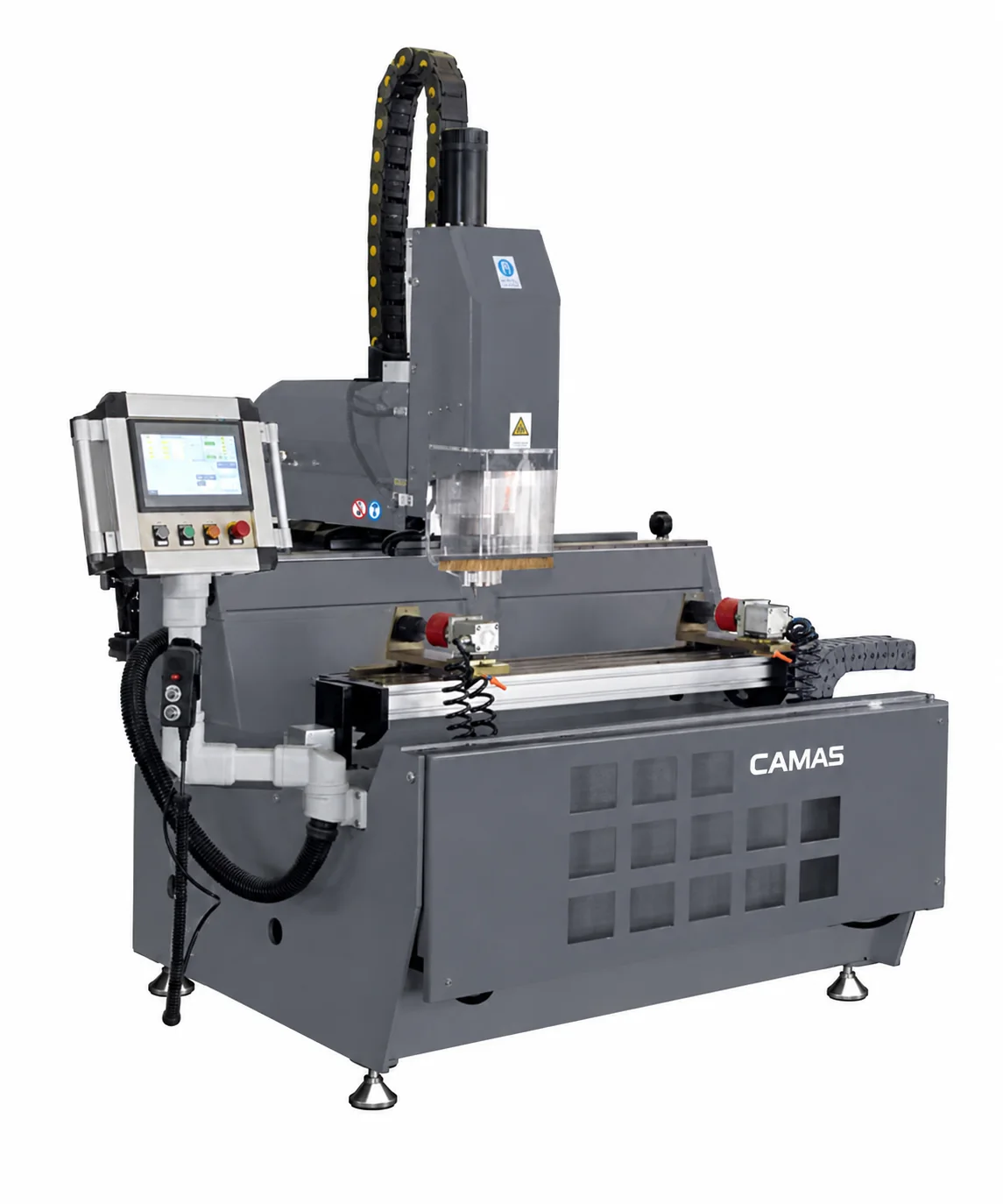
A window-workshop shortlist can start with the LJZ2-CNS-500×4200 (400–4,200 mm cutting length), LZX-CNC-1200 and LMB-120. This is a range to review against customers’ profiles, rather than a fixed package for every market.
Define the customer process before selecting a saw, machining center and assembly machine.
For electrical-panel customers, compare the 12 × 160 mm 30-3NC with the 16 × 250 mm servo-positioned 50-3NC PRO against actual connection drawings.
Agree local electrical and control requirements, product materials, training responsibilities and parts arrangements for the proposed range.
Use this example to frame your inquiry. Confirm the finished drawing, machine configuration and tools before selecting equipment.
Yes. Start with the customer segments your business serves and a focused range from aluminum-profile and busbar equipment. The two families support different production tasks.
Is distribution exclusive?
Territory, commercial terms and any exclusivity need a separate agreement. Share your market and proposed scope to start the discussion.
What should my first inquiry contain?
Include your country, customer types, current equipment portfolio and models of interest. Add your local installation, service and training capabilities.
START WITH YOUR PART
Define your starting range.
Tell us who you serve and which equipment you want to review.